Why a Digital Museum of Childhood?
The Digital Museum of Childhood was conceived as a museum without walls—a living, evolving institution that can reach people wherever they are in the world.
Inspiration
Transcending barriers.
While traditional museums remain invaluable cultural institutions, they are inherently limited by geography, operating hours, and physical capacity. A digital museum transcends these barriers, making knowledge, history, education, and inspiration available to anyone with an internet connection.
More importantly, childhood is a universal human experience. Every person has been a child. The stories, memories, joys, struggles, and triumphs of childhood belong not to one community or one nation, but to humanity itself. A digital platform allows these shared experiences to become part of a global conversation.
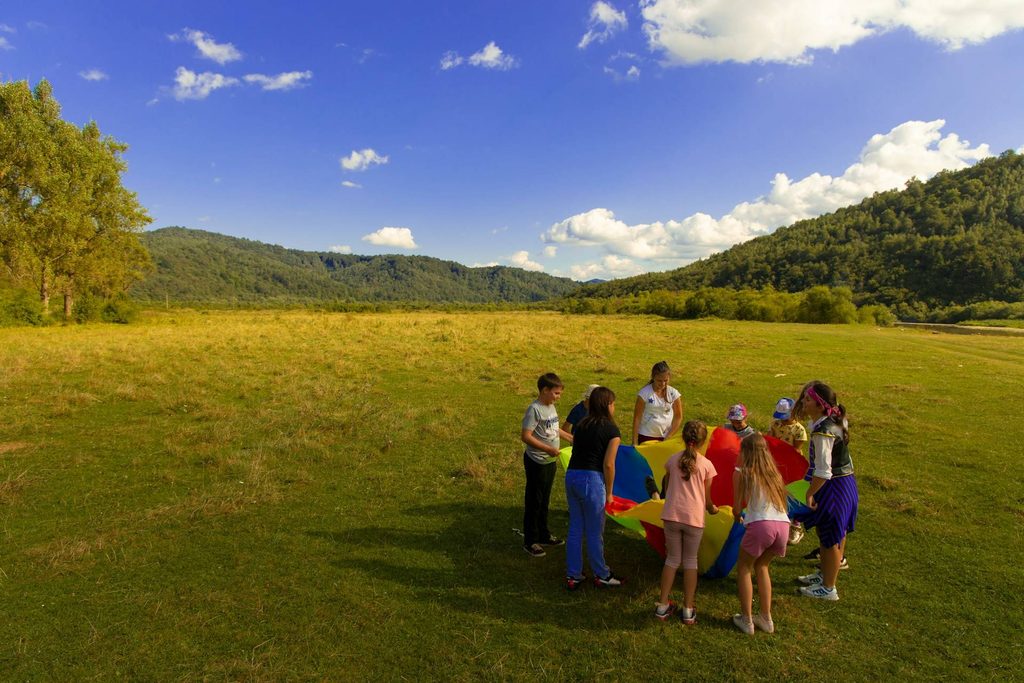
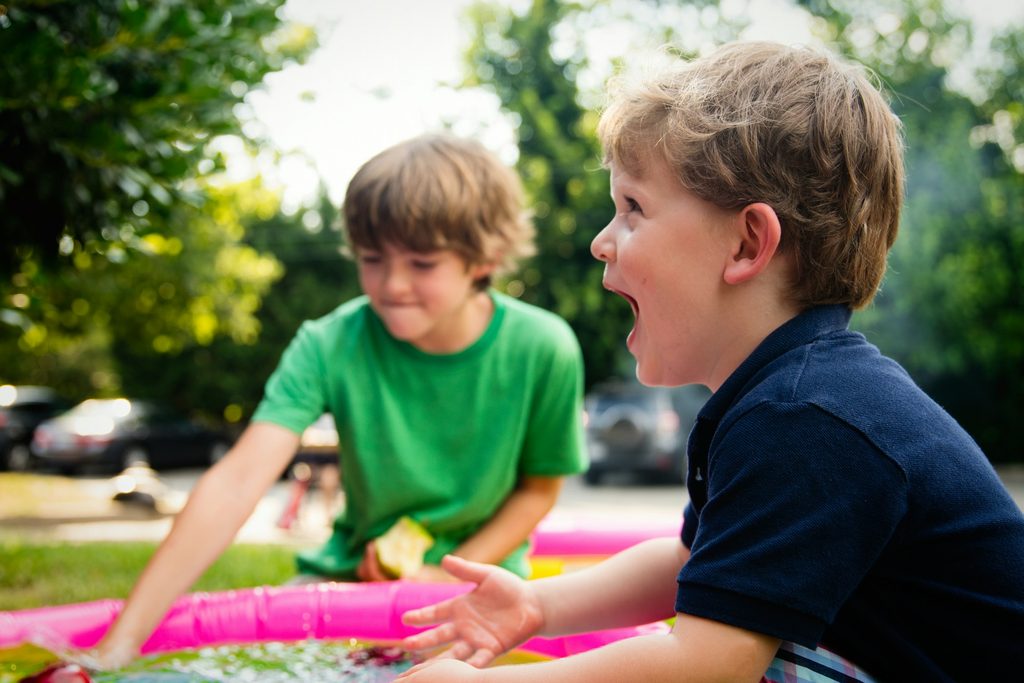
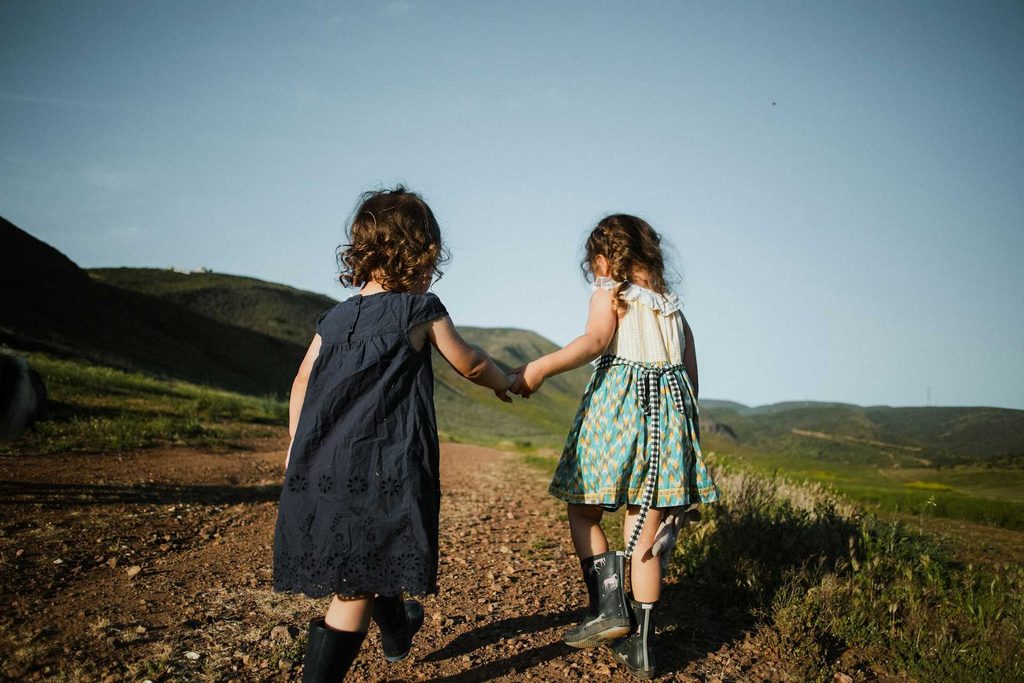
The Digital Museum of Childhood also addresses a profound historical gap. While societies have preserved the histories of wars, governments, science, art, and technology, comparatively few institutions have documented childhood itself as a central part of human history. Even fewer have explored how childhood experiences shape health, education, relationships, creativity, resilience, and the future of communities.
Exhibits
Digital technology makes it possible to preserve these stories in ways never before imagined. Visitors will not simply read history—they will experience it through survivor testimonies, interactive exhibits, oral histories, documentaries, timelines, photographs, archival materials, educational resources, and emerging technologies that bring history to life.
An Expanding Resource
Unlike a traditional museum whose collections are constrained by physical space, the Digital Museum can continue expanding indefinitely. New exhibits, research findings, artistic works, educational materials, and community contributions can be added continuously, ensuring that the Museum remains current, dynamic, and responsive to new generations.
A digital platform also creates opportunities for global collaboration. Universities, schools, museums, libraries, nonprofit organizations, researchers, artists, healthcare professionals, and child advocates can contribute knowledge, scholarship, and educational content from around the world, creating an unparalleled international resource.
For children and families,
the Digital Museum of Childhood becomes a place of discovery and hope. For educators, it becomes a classroom without borders. For researchers, it becomes a living archive. For policymakers, it provides historical perspective and evidence that can inform better decisions for legislative changes. For survivors and advocates, it offers recognition that their experiences are part of a larger human story that deserves to be remembered with dignity and compassion.
Perhaps most importantly, a digital museum is never truly finished. It evolves as society evolves. Each generation contributes its own experiences, challenges, discoveries, and hopes, creating a permanent legacy that grows richer over time.
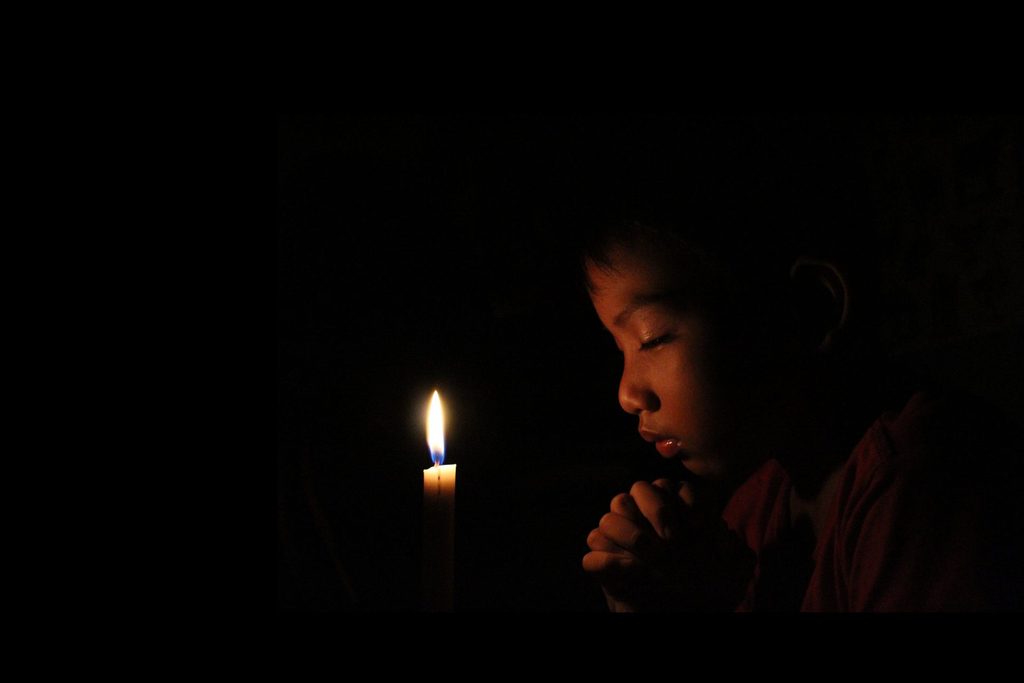
The Digital Museum of Childhood is not simply preserving the past. It is building a global resource that helps shape a better future for children everywhere.
Frequently Asked Questions
What is about?
The Digital Museum of Childhood is dedicated to preserving and sharing the authentic stories of childhood through immersive digital experiences that educate, inspire, and foster healing.
How much does this cost?
The Digital Museum of Childhood is dedicated to preserving and sharing the authentic stories of childhood through immersive digital experiences that educate, inspire, and foster healing.
When will …?
The Digital Museum of Childhood is dedicated to preserving and sharing the authentic stories of childhood through immersive digital experiences that educate, inspire, and foster healing.
Are ___ available?
The Digital Museum of Childhood is dedicated to preserving and sharing the authentic stories of childhood through immersive digital experiences that educate, inspire, and foster healing.
Got questions?
Feel free to reach out.